
Remote Patient Monitoring (RPM) for Healthcare Practices
Nsight Health delivers fully managed Remote Patient Monitoring (RPM) that supports improved chronic disease outcomes and compliant Medicare and commercial reimbursement.
We manage the entire program — patient outreach, enrollment, FDA-cleared cellular devices, 24/7 clinical monitoring, documentation, and billing support — using our own clinical team and infrastructure.
24/7 U.S. Based Clinical Staff • New Revenue Stream • No Upfront Cost
Our model aligns with practice collections. Fees are tied to successful reimbursement in accordance with applicable billing and compliance guidelines.
Trusted by 1,600+ Care Teams & 100,000+ Patients
Nsight Clinical Success
Remote Care For Your Practice
Real People. Provider Feedback. Clinical Results.
Their reliable RPM/CCM services, combined with outstanding customer support, make them a trusted and highly recommended partner in chronic disease management.
Practice Manager

Nsight has been a strong partner to our practice, and I would confidently recommend your services to other clinics looking for effective, clinician-friendly solutions.
MD

I deeply appreciate the great service Nsight has consistently provided to our patients. Your team’s dedication and professionalism have made a real difference, and it’s been a pleasure working with you.
Medical Biller and Coder
Improve Outcomes with Nsight's Remote Patient Monitoring (RPM) Solution

Why Remote Patient Monitoring Matters for Medicare Practices
For Medicare populations, chronic disease progression often occurs silently between scheduled visits. Without continuous monitoring, small changes in vital signs can escalate into avoidable emergency department visits or hospital admissions.
Remote Patient Monitoring fills this care gap by extending the clinical reach of your practice into the patient’s home. With RPM, care teams gain earlier insight into worsening conditions and can intervene before costly and harmful outcomes occur.
For Medicare practices, RPM supports:
- Proactive care delivery
- Improved quality measure performance
- Better patient satisfaction
- More consistent patient touchpoints
- Scalable chronic care management
Nsight Health’s Remote Patient Monitoring service ensures RPM is not just implemented — but sustained and effective over time.
Fully Managed Multilingual Remote Patient Monitoring Solution — Not Just AI-Enabled Software
Many RPM vendors focus primarily on software dashboards or device distribution. Nsight Health takes a fundamentally different approach. We deliver fully managed RPM services, not just tools.
Our Remote Patient Monitoring solution is built to support real clinical workflows and real-world practice constraints. From patient identification through ongoing monitoring and billing support, Nsight Health operates as an extension of your care team.
Nsight Health’s RPM Services Include:
- Patient identification and eligibility review
- Patient outreach, education, and enrollment
- FDA-cleared, cellular-enabled medical devices
- Device logistics, shipping, and replacements
- Secure data transmission and monitoring platform
- 24/7/365 clinical review by licensed staff
- Provider-approved escalation protocols
- Monthly documentation and billing support
- Compliance-aligned workflows and reporting
This fully managed approach allows practices to deploy Remote Patient Monitoring confidently, without adding headcount or operational strain.
Enrollment Rate
Enrollment Rate



What is the Remote Patient Monitoring (RPM)?
Remote Patient Monitoring (RPM) is a Medicare-approved care model that enables healthcare providers to collect and review physiologic patient data outside of traditional office visits. Through connected medical devices, RPM allows clinicians to monitor patient health trends in real time and intervene earlier when risk is identified.
Remote Patient Monitoring is commonly used to track vital signs such as blood pressure, blood glucose, weight, and oxygen saturation. These insights give care teams visibility into a patient’s health status between appointments — where most disease progression actually occurs.
With a properly implemented RPM program, practices can:
- Improve chronic disease management
- Increase patient engagement and adherence
- Identify clinical deterioration earlier
- Reduce avoidable hospitalizations
- Extend care without increasing staff burden
Nsight Health’s Remote Patient Monitoring service transforms RPM from a technology purchase into a clinically meaningful care extension.
Improve Outcomes & Revenue for Your Healthcare Practice

Remote Patient Monitoring Billing & CPT Codes
Nsight Health simplifies Remote Patient Monitoring (RPM) billing by capturing, validating, and reporting all billable activity in a compliant, audit-ready manner.
Common RPM CPT Codes:
- 99453 – Initial setup & patient education (one-time)
- 99445 – Device supply & data transmission (2-15 days monthly)
- 99454 – Device supply & data transmission (16+ days monthly)
- 99470 – First 10-19 minutes of clinical monitoring
- 99457 – First 20 minutes of clinical monitoring
- 99458 – Each additional 20-minute increment
The Nsight Health Platform:
- Automatically tracks clinical time
- Documents patient interactions
- Generates monthly billing reports
- Supports compliant claim submission
Your billing team receives clear, organized documentation — reducing administrative friction and audit risk.
Clinical Outcomes Achieved by Nsight's Remote Patient Monitoring (RPM) Solution
Nsight Health’s Remote Patient Monitoring programs are designed to drive measurable clinical outcomes, not just participation metrics.
Hypertension Program Results:
- Stage 1 hypertension patients see average systolic reductions of ~6.5 mmHg
- Stage 2 hypertension patients see reductions of ~17 mmHg
- Many improvements occur within the first 90 days of enrollment
Additional outcomes include:
- Improved medication adherence
- Increased patient engagement
- Earlier detection of clinical deterioration
- Reduced avoidable hospitalizations
These outcomes reinforce RPM’s role as a cornerstone of modern chronic disease management.


Based on Real-World Nsight Patient Cohorts
Nsight is more than just another RPM vendor—we provide 24/7 access to care and achieve gaps in care health outcomes for your practice.
Improved Blood Pressure Control
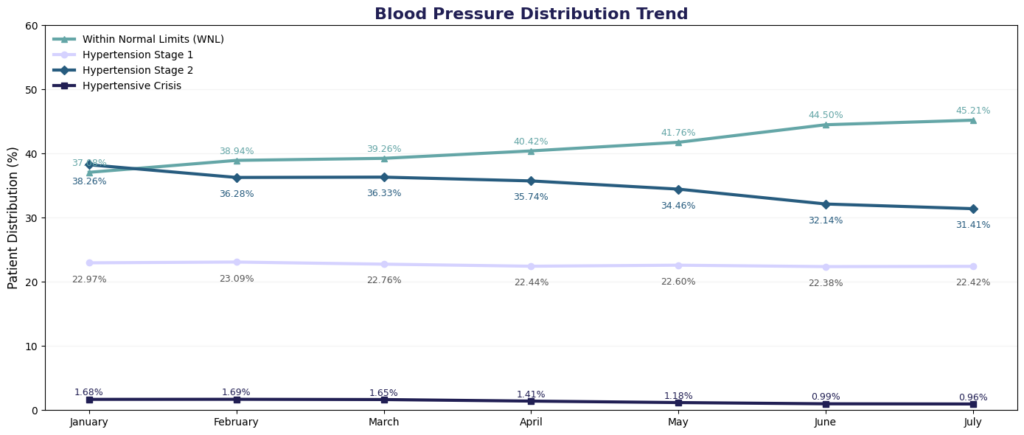
Nsight Remote Patient Monitoring Program: Quality Blood Pressure Report (January – September 2025)
Cohort: N=11,148 Patients
Reporting Period: January 1, 2025 – September 30, 2025
Objective: To evaluate the impact of the Nsight Remote Patient Monitoring (RPM) program on blood pressure management within a large patient cohort.

Chief Medical Officer
Clinical Guidance
Clinical Readout by Dr. Leider
“This data shows the level of hypertension control in a group of ~11,000 patients with hypertension in our RPM program from January, 2025 through July 2025 (a six month period).
The green line at the top represents the percentage of patients with “normal alerts” indicating monitoring. ood HTN control. Over 6 months of monitoring this increase from 38% to 45% (a 21% relative increase. We see significant improvements in as little as 3 months of monitoring. Conversely, the percentage of patients in Stage 2 HTN decrease by 15% over the 6 months and importantly the percentage of patients that have been in crisis level of HTN goes down by half (~49%). This is a very large cohort of patients with HTN and clearly demonstrates that our RPM program improves this populations HTN control in as little as 3 months and the improvements increase over 6 months.”
Improved Blood Glucose Control
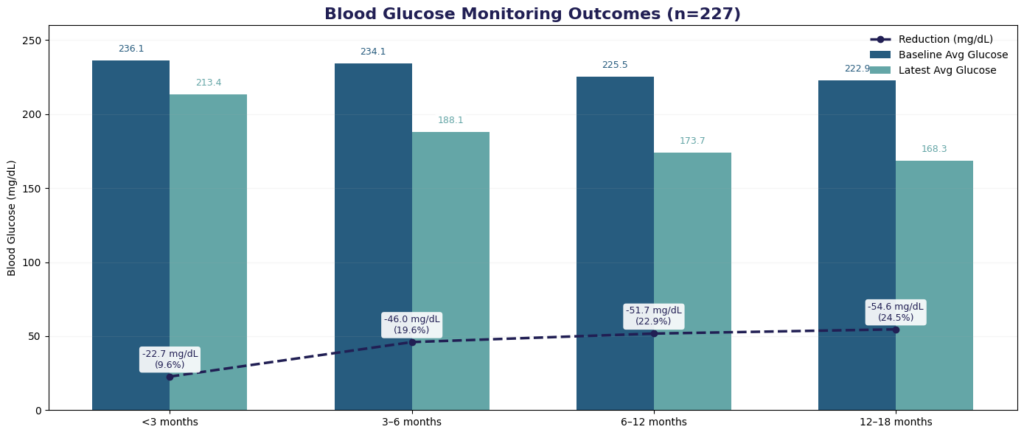
Diabetes Management Impact
- Cohort = 227 patients
- Early Gains (<3 months)
Avg. glucose dropped from 236.1 → 213.4 mg/dL, Reduction of 22.7 mg/dL - Sustained Improvements (3–18 months)
- Greatest improvement at 12–18 months
222.9 → 168.3 mg/dL, Reduction of 54.6 mg/dL
Chief Medical Officer
Clinical Guidance
Clinical Readout by Dr. Leider
“Here we are following over 225 diabetic patients being monitored for blood glucose. These are random readings (not fasting) – baseline readings average 236 mg/dl which is not good control. Generally, levels <180 mg/dl for random reading are improved/good control. Patient’s reading dropped as early as 3 months and achieved the <180 level by 6-12 months. Over a year or more the average reduction was impressive at ~50 mg/dl and this improved control was maintained. This showed that our diabetes RPM program is highly effective at helping providers and their patients managed their diabetes.“
Improved COPD Control
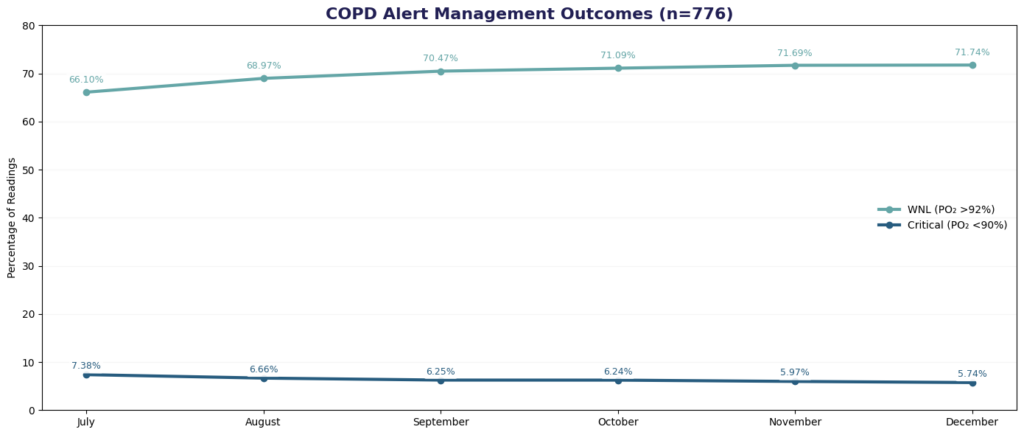
COPD Alert Management
- Pulse Ox monitoring n= 776 patients
- Stability: WNL levels increased from 66% to 72%, reflecting increased patient stability.
- Critical alerts decreased: from 7.38% → 5.74%, showing fewer patients in high-risk status.
Chief Medical Officer
Clinical Guidance
Clinical Readout by Dr. Leider
“This shows almost 800 patients with COPD in our RPM program being monitored with pulse oximeters. Since patient with moderate COPD have episodes of oxygen desaturation (<90% PO2) – control is measured by the percentage of reading with PO2>92 % (higher is better) and PO2 is < 90) Lower is better. This chart shows that over a 6 month period control of COPD is improved as Critical alerts fell 22% over the 5 month period indicating improved COPD control.“
Improved Heart Failure Control
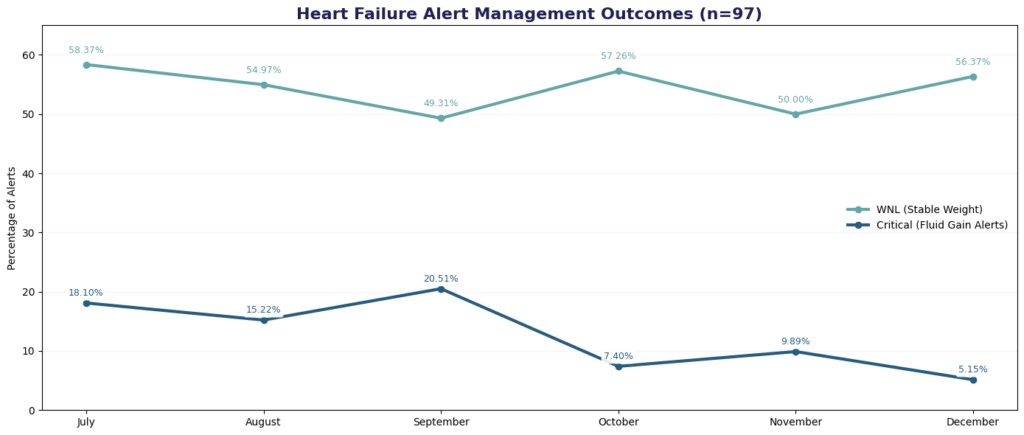
Heart Failure Management RPM Alert Monitoring
- Weight Monitoring n= 97 patients
- Improvement (Sept–Dec): Critical alerts (fluid gain) dropped from 18.1% → 5.15% a 72% decrease in critical alerts
Chief Medical Officer
Clinical Guidance
Clinical Readout by Dr. Leider
“This is cohort of ~100 patients with heart failure in our RPM program being monitored with a remote weight scale. These patients are at high risk for hospitalizations as they have weak hearts and increase in salt intake, non-adherence to medication, or worsening of the disease results in frequent admissions. After 2 months of monitoring we see dramatic decreases (72%) in the frequency of critical alerts (gain of 3lbs in one day or 5lbs in a week). Stabilization of weights indicates control of heart failure and significantly lower risk of hospitalization. Importantly, when there is a critical alert, we escalate the situation to the managing physician who can adjust medications or intervene as necessary.“

TURN-KEY RPM SOLUTION FOR YOUR PRACTICE
How Nsight Health’s Remote Patient Monitoring Solution Works
Our fully managed RPM programs combine technology, clinical expertise, and patient engagement to support medically necessary monitoring—while keeping provider teams focused on care delivery.
Nsight Health provides turn-key, end-to-end remote patient monitoring services, allowing practices to launch and scale RPM without adding internal burden.
1. Patient Identification & Eligibility
Nsight Health works directly with your practice to identify patients who are appropriate for Remote Patient Monitoring. Eligibility is based on Medicare guidelines and clinical appropriateness. Patients commonly enrolled in RPM programs include those with:
- Hypertension
- Heart Failure (HF)
- Chronic Kidney Disease (CKD)
- COPD or Asthma
- Diabetes
- Obesity
- Coronary Artery Disease (CAD)
2. Multilingual Patient Outreach, Education & Enrollment
Successful Remote Patient Monitoring programs begin with proper patient education. Nsight Health conducts omnichannel patient outreach on behalf of your practice, ensuring patients understand:
- What RPM is and how it works
- How their data will be monitored
- The role of Nsight Health as part of their care team
- How RPM supports their health goals
We manage consent, enrollment, and onboarding using respectful, patient-first communication. This approach drives higher enrollment rates and long-term engagement.
3. No Cost FDA-Cleared Devices & Logistics
Nsight Health provides FDA-cleared, cellular-enabled medical devices that are shipped directly to the patient’s home. No Wi-Fi or smartphone is required, reducing barriers for Medicare populations. Supported RPM devices include:
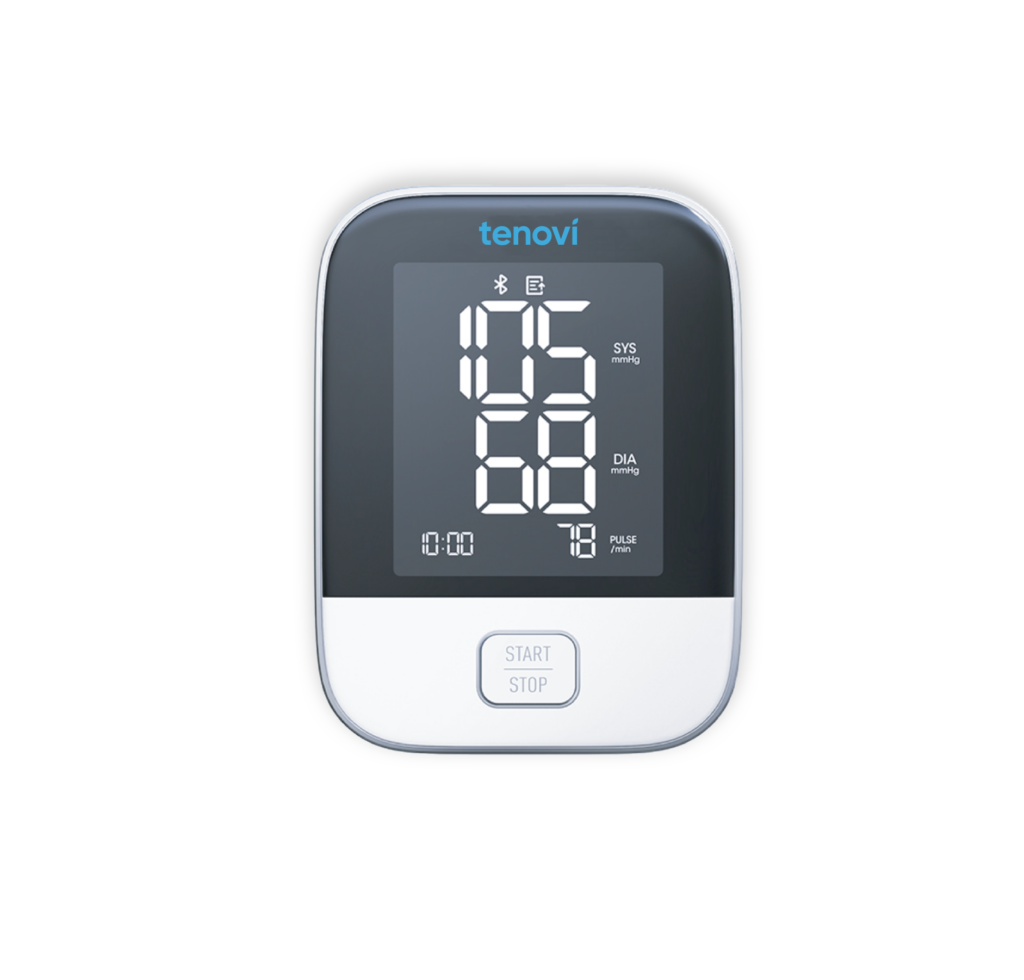
- Blood pressure monitors
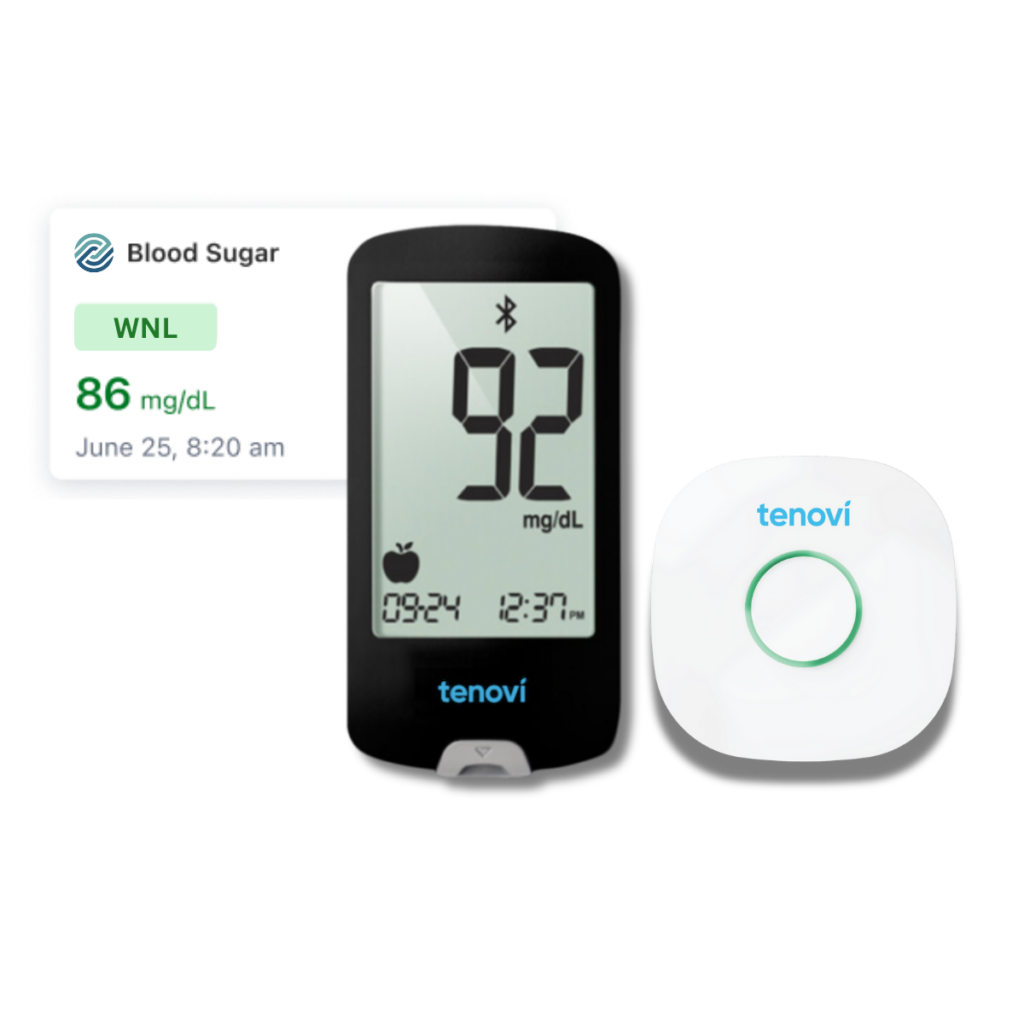
- Glucometers
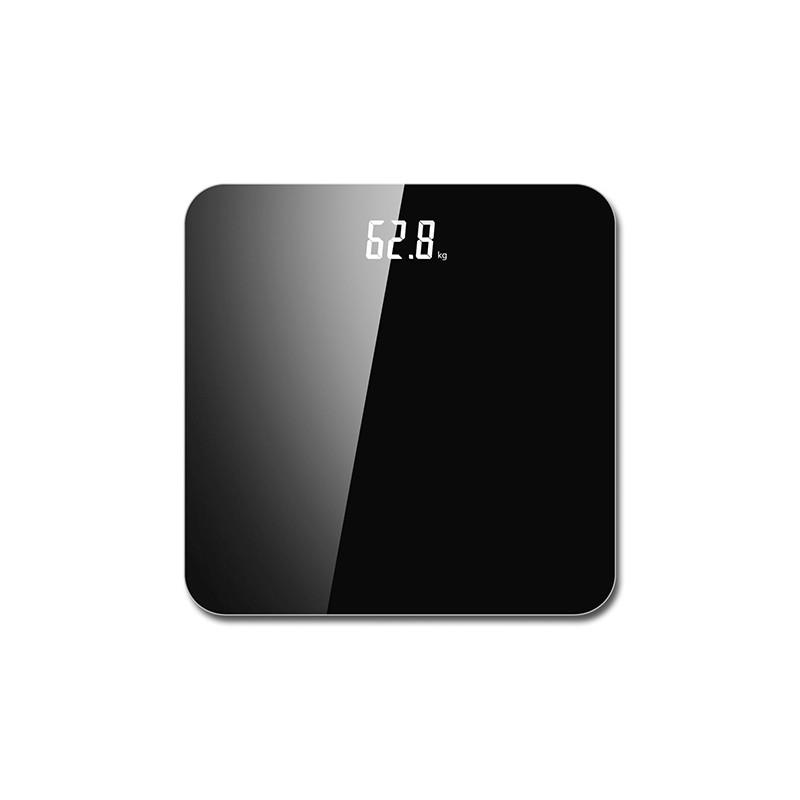
- Weight scales
- Pulse oximeters
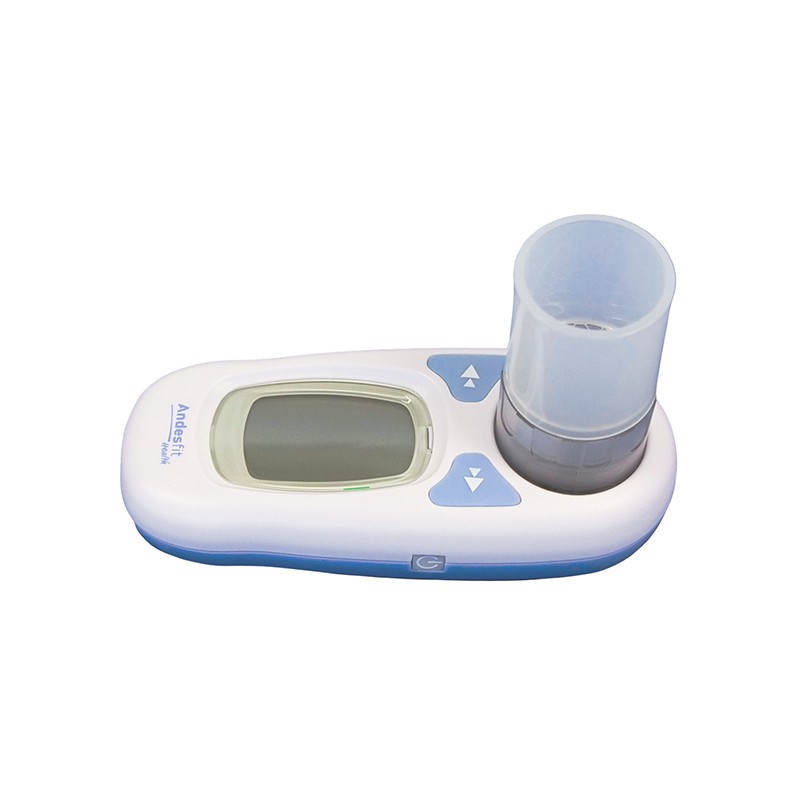
- Spirometers
Nsight manages all device logistics, including shipping, troubleshooting, and replacements
— removing operational burden from your staff.
4. Continuous Clinical Monitoring (24/7/365)
Once enrolled, patient data is reviewed continuously by Nsight Health’s licensed clinical team. Monitoring occurs 24/7/365, ensuring no gaps in coverage.
- Review incoming vital sign data
- Identify abnormal trends or thresholds
- Proactively engage patients when needed
- Escalate care using provider-approved protocols
- Document all clinical interactions
This continuous clinical oversight is what transforms Remote Patient Monitoring into meaningful care — not just data collection.
5. Provider Visibility & Care Coordination
Nsight Health delivers actionable insights to providers without overwhelming them with raw data. Our RPM AI-enabled platform surfaces meaningful trends and supports timely clinical decision-making. We integrate RPM workflows into existing care processes and support care coordination with your clinical team when escalation is required.
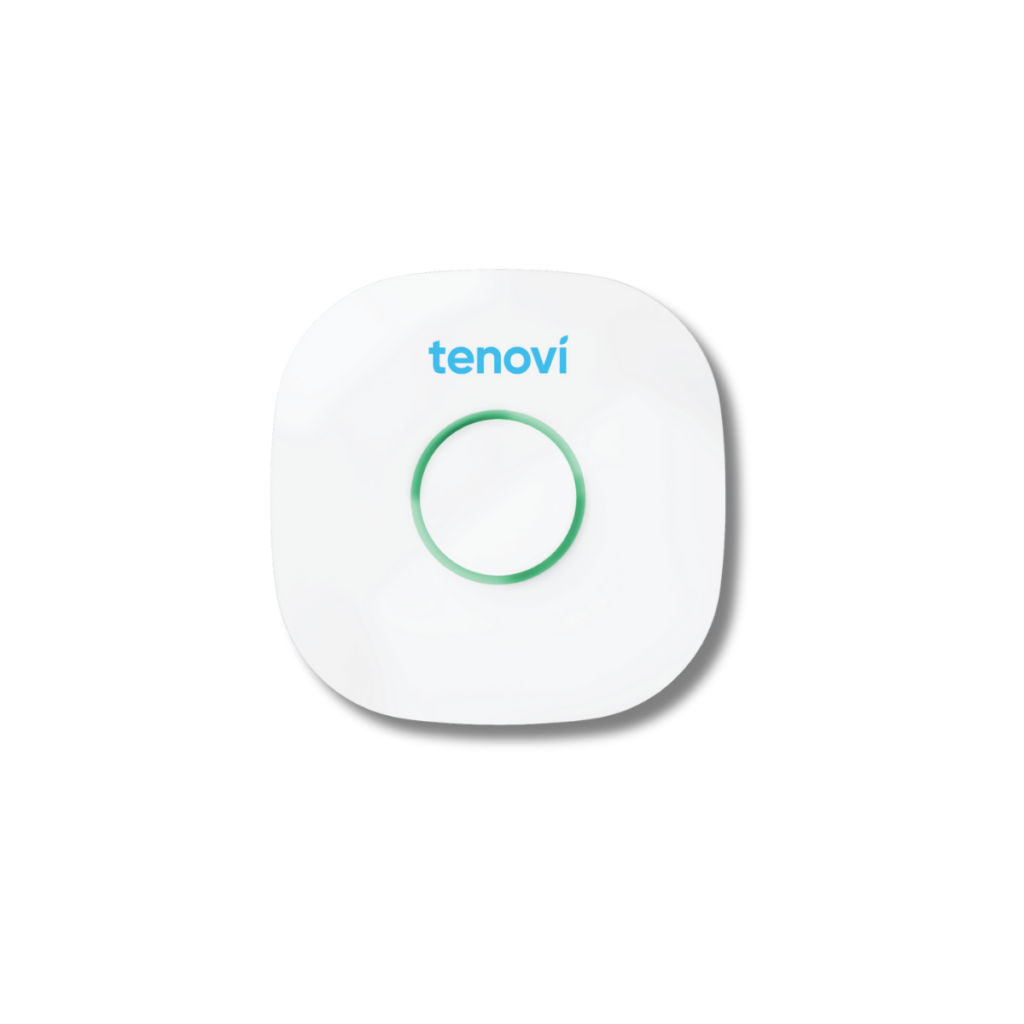
Nsight Remote Patient Monitoring (RPM) Devices
- Built-in integration with cloud-based EHRs
- First device for each patient provided as part of our service
- Device consumables (lancets, test strips, batteries) included
- HIPAA-compliant secure data transmission
- No WiFi, Bluetooth, tablet, or smartphone required for the patient

Designed for Healthcare Practices Like Yours
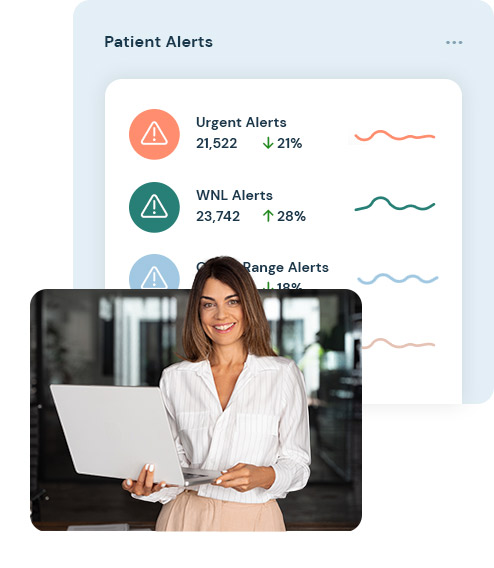
If your practice manages Medicare patients with chronic conditions, Remote Patient Monitoring can significantly enhance care delivery.
Nsight Health supports Remote Patient Monitoring programs across a wide range of practice types, including:
Primary care physician practices
Specialty clinics (e.g., cardiology, nephrology, pulmonology)
Multi-specialty physician practices
Value-based care organizations
Health systems
and ACOs
Federally Qualified Health Centers (FQHCs)
Why Practices Choose Nsight Health for Remote Patient Monitoring
Healthcare organizations choose Nsight Health because we deliver RPM as a clinical service, not a technology add-on.
Key differentiators include:
- Market-Leading Omnichannel Enrollment
- Fully managed Remote Patient Monitoring services
- 24/7 licensed clinical monitoring
- FDA-cleared, cellular devices (No cost)
- Proven outcomes across large patient populations
- Compliance-forward workflows
- Seamless integration with broader care programs
Nsight Health’s RPM service is built to scale with your practice and adapt as care models evolve.
Benefits of Nsight Health’s Remote Patient Monitoring (RPM) Solution
Choosing Nsight Health for your Remote Patient Monitoring (RPM) program means your practice benefits from a comprehensive, managed solution that drives outcomes without adding internal administrative burden.
Clinical Outcomes
- Structured behavioral health follow-up
- Increased treatment adherence
- Reduced symptom severity over time (measurement-based adjustments)
Operational Efficiency
- Fully managed care team support
- Built-in screening and registry workflows
- Seamless integration with existing clinical systems
Financial Productivity
- Support for reimbursable CoCM codes
- Reduced no-show rates through proactive outreach
- Enhanced revenue capture aligned with quality care
Improve Patient Engagement Between Visits
Enrollment
Simplified onboarding ensures easy access to comprehensive, personalized healthcare solutions.
- Patient / Member Identification
- Rapid Eligibility Verification
- Breaking Barriers to Care
- High Conversion Enrollment Agents
Intake
Detailed assessments gather vital data to create tailored care plans for optimal health outcomes.
- Patient Assessments
- Device Procurement & Logistics
- Patient Onboarding
- Care Coordinator Scheduling
Adherence
Guided support fosters consistent follow-through on care plans for lasting health improvements.
- Patient-Centric Clinicians (W2 RNs, LVNs, MAs)
- Robust Clinical Pathways
- Quality Measures & Closing Care Gaps
- Personalized Intervention & Escalation
- Evidence of Care Documentation
Concierge Care
Dedicated, personalized assistance ensures seamless coordination and exceptional patient experiences.
- Data-Driven Insights
- Omnichannel Communication
- Ongoing Monitoring & Feedback
- Behavioral Change & Healthy Habits
- Troubleshooting & Support
50+ EMR Integrations







Ready to Bring Remote Patient Monitoring (RPM) to Your Practice?
Nsight Health’s Remote Patient Monitoring solution makes it easier to integrate into your existing workflow, expand access, and deliver measurable outcomes—all while improving financial performance and patient experience and outcomes.
Turn-Key
Outsource identification, enrollment, onboarding, care coordination, and ongoing adherence.
Pay for Performance
Fee-for-service models include pay for performance to allow reimbursement prior to payment for services.
Care Coordination
Our 24/7 clinical team educates, monitors, assesses and escalates following evidence-based protocols.
White Label
Partner or white label us as an extension of your practice to ensure a seamless patient experience.
Frequently Asked Questions
Have additional questions about implementing Remote Patient Monitoring services at your practice? Schedule a consultation with Nsight to review eligibility, workflow integration, and reimbursement considerations.
What is Remote Patient Monitoring (RPM)?
Remote Patient Monitoring (RPM) is a Medicare-reimbursable care model that uses FDA-cleared medical devices to collect patient health data—such as blood pressure, blood glucose, pulse oximetry, or weight—between office visits. The data is electronically transmitted to a clinical team, allowing providers to monitor chronic conditions, intervene when necessary, and improve care continuity outside the clinic.
RPM is commonly used to support patients with chronic conditions such as hypertension, diabetes, COPD, and heart failure.
Is Remote Patient Monitoring reimbursable by Medicare?
Yes. Medicare reimburses Remote Patient Monitoring services under specific CPT codes when services meet documentation and time requirements.
Reimbursement is available when:
• The patient has a qualifying medical condition
• FDA-cleared medical devices are used
• Data is collected and transmitted electronically
• Clinical monitoring time requirements are met
Commercial payers may also reimburse RPM services, but coverage and policies vary by plan.
What CPT codes are used for Remote Patient Monitoring?
The primary Medicare CPT codes for RPM include:
• 99453 – Initial setup and patient education on use of equipment
• 99454 – Supply of device(s) and collection/transmission of data (typically 16+ days per 30-day period)
• 99457 – First 20 minutes of clinical staff, physician, or qualified healthcare professional time per month
• 99458 – Each additional 20 minutes of clinical time per month
Practices must meet documentation and time requirements to bill these codes appropriately.
How much does Medicare reimburse for RPM services?
Medicare reimbursement rates vary slightly by geographic location and annually adjusted fee schedules. When services meet required criteria, RPM can generate recurring monthly reimbursement tied to device monitoring and clinical interaction time.
Practices should consult current CMS fee schedules or their billing department to confirm reimbursement rates in their region.
What makes a turnkey RPM solution different?
A turnkey Remote Patient Monitoring solution includes:
• Device logistics and fulfillment
• Patient onboarding and education
• Clinical monitoring
• Escalation protocols
• Monthly reporting
• Billing documentation support
This reduces the operational burden on practices and helps ensure compliance.
Practices should consult current CMS fee schedules or their billing department to confirm reimbursement rates in their region.
Is Remote Patient Monitoring the same as Chronic Care Management (CCM)?
No. While both RPM and CCM support chronic disease management, they are separate Medicare programs with distinct CPT codes and requirements.
RPM focuses on physiologic data collected via medical devices for a patient with one-chronic disease.
Chronic Care Management (CCM) focuses on care coordination and non-face-to-face chronic care management services for patients with at least 2 or more chronic diseases.
Many practices implement both programs together.
What patients qualify for Remote Patient Monitoring?
RPM is generally appropriate for patients with chronic or acute conditions that require ongoing monitoring and management.
Common qualifying conditions include:
• Hypertension
• Diabetes
• COPD
• Heart failure
• Obesity
• Other chronic cardiometabolic conditions
Eligibility is determined by the provider based on medical necessity and CMS guidelines.
Does RPM require WiFi or a smartphone?
No. Nsight’s programs use cellular-enabled FDA-cleared devices that transmit data automatically without requiring patients to have WiFi, Bluetooth pairing, tablets, or smartphones.
This reduces barriers to enrollment and improves patient adherence, particularly among Medicare populations.
Who monitors patient data in an RPM program?
In a compliant RPM program, patient data is reviewed by qualified clinical staff, physicians, or other healthcare professionals in accordance with CMS requirements.
Nsight’s RPM services include 24/7 U.S.-based clinical monitoring, escalation protocols, and documentation support to help practices meet Medicare standards.
Does RPM replace office visits?
No. Remote Patient Monitoring supplements in-person care by providing visibility between visits. RPM supports proactive intervention, chronic disease management, and early identification of risk, but does not replace necessary office or specialty visits.
How quickly can a Remote Patient Monitoring program be implemented?
Implementation timelines vary depending on workflow integration, EHR setup, and patient enrollment processes. A turnkey RPM program can often be launched within 30–60 days when device logistics, monitoring services, and billing workflows are coordinated effectively.
What documentation is required for RPM billing?
Medicare requires:
• Documentation of medical necessity
• Device setup and patient education (for 99453)
• Minimum days of data transmission (for 99454)
• Time-tracked clinical interaction (for 99457/99458)
• Appropriate chart documentation
Audit-ready documentation is critical to ensure compliant billing.
